


At What Age Should a Child Have Their First Eye Exam?
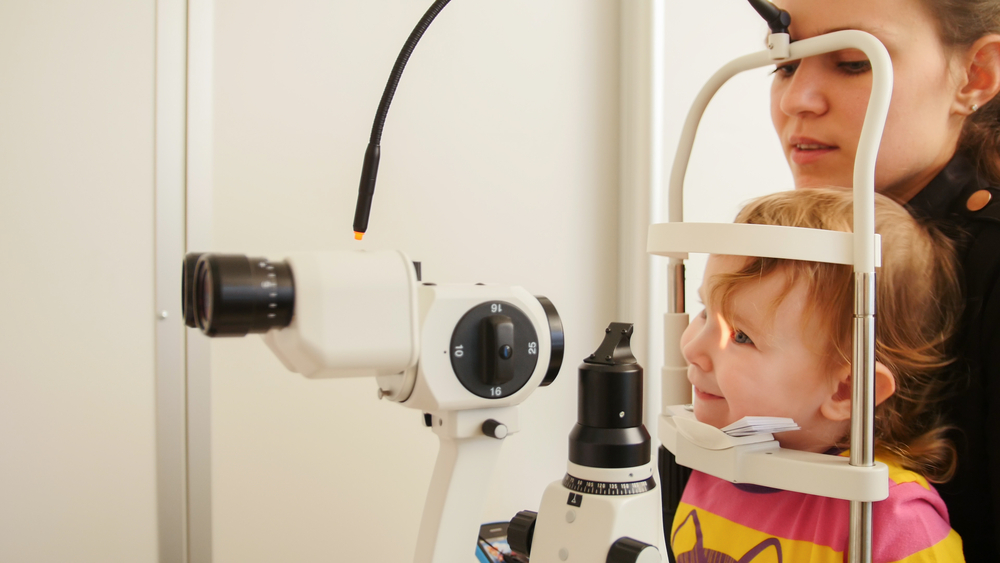
Many parents assume that eye exams can wait until a child is old enough to read the eye chart - but healthy vision development starts much earlier than that. A child’s visual system plays a critical role in learning, coordination, and overall development, which is why early eye care is so important.
Knowing when your child should have their first eye exam helps ensure potential vision problems are caught early, when treatment is most effective. Below is a simple age-by-age guide to what parents should expect.
Newborn Vision Screening: The First Check
A child’s eye health journey begins at birth. Newborns typically receive a basic eye screening before leaving the hospital. This screening checks for:
Structural abnormalities of the eyes
Eye movement issues
Conditions such as cataracts or congenital eye disorders
While this screening is essential, it does not replace a comprehensive eye exam. Instead, it serves as an initial safety check to identify urgent concerns that need immediate follow-up.
Infant Eye Screenings: Birth to 12 Months
During well-baby visits, pediatricians continue monitoring eye alignment, tracking, and basic visual responses. These screenings help identify early signs of conditions like lazy eye (amblyopia) or eye turns (strabismus).
However, if there is a family history of eye conditions, premature birth, or noticeable symptoms - such as constant eye turning, excessive tearing, or lack of eye contact - an eye exam with an eye doctor may be recommended earlier.
Preschool Eye Exams: Around Age 3
By around age three, children are typically ready for their first comprehensive eye exam. At this stage, an eye doctor can evaluate:
Visual acuity
Eye coordination and focusing
Depth perception
Overall eye health
This exam is especially important because many vision problems in young children have no obvious symptoms. Children often assume the way they see the world is normal, even if their vision is blurry or strained.
Detecting issues before school begins helps prevent learning challenges related to undiagnosed vision problems.
School-Age Eye Exams: Around Age 5
Before starting kindergarten, children should have a full eye exam - even if a school vision screening has been passed. School screenings are limited and may miss problems such as:
Farsightedness or astigmatism
Eye teaming or focusing difficulties
Early eye health concerns
At this age, clear and comfortable vision is critical for reading, writing, and classroom success. Regular eye exams also establish a baseline for monitoring changes as a child grows.
How Often Should Children Have Eye Exams?
After the first comprehensive exam, most children should have an eye exam every year, or as recommended by their eye doctor. Vision can change quickly during childhood, and regular exams ensure your child’s eyes are developing properly.
Schedule Your Child’s Eye Exam Today in Shelton, Washington
Eye care is an essential part of your child’s overall health, starting from infancy and continuing through the school years. While newborn and pediatric screenings are important, they don’t replace comprehensive eye exams at key developmental stages. Early detection and treatment of vision issues can make a lifelong difference in how your child learns, plays, and sees the world.
Whether your child is preparing for their first exam or heading into a new school year, schedule their pediatric comprehensive eye exam at Shelton Family Eye Care. Visit our office in Shelton, Washington, or call (360) 227-4600 to book an appointment.


Located Inside 
Our Services
Contact Info
Hours of Operation
- Monday Closed
- Tuesday 10:00am - 5:00pm
- Wednesday 10:00am - 5:00pm
- Thursday 10:00am - 5:00pm
- Friday 10:00am - 5:00pm
- Saturday 10:00am - 2:00pm
- Sunday Closed
© 2025 Shelton Family Eye Care. All rights Reserved. Accessibility Statement - Privacy Policy - Sitemap
Powered by:
