


Is Optos Imaging Safe for All Ages?
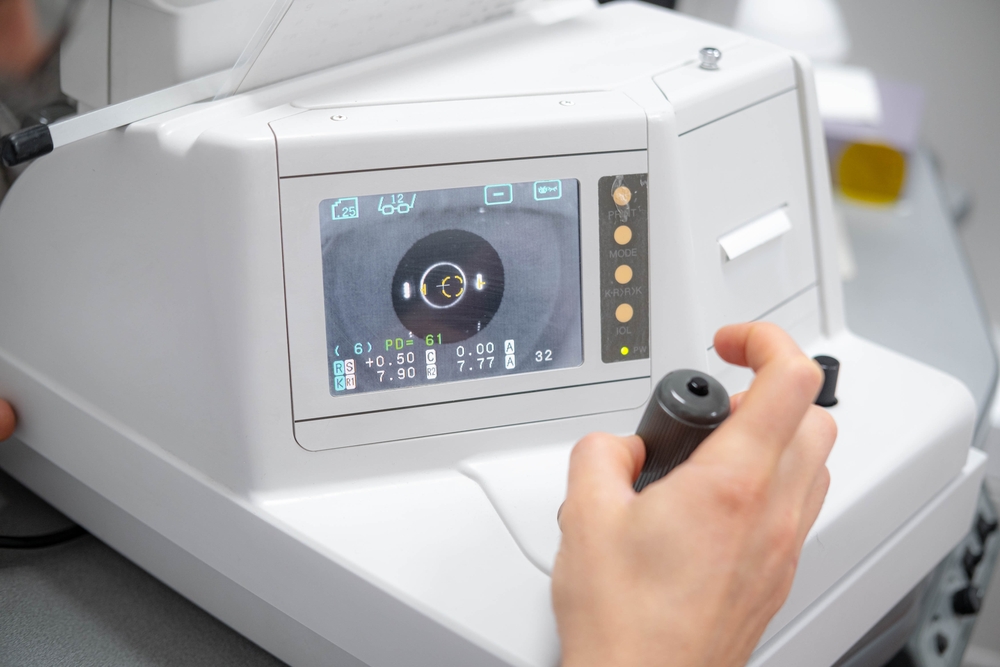
If you have ever had your eyes dilated, you know what it feels like. The bright lights, blurry vision that lasts for hours, and the challenge of reading your phone or driving home. It is not much fun, especially for kids.
That is why many eye doctors now use a technology called Optos imaging, or optomap. It takes a wide picture of the back of your eye, called the retina, without needing drops to dilate your pupils. The retina is the light-sensitive tissue at the back of your eye. It is the only place in the body where doctors can see blood vessels directly, without surgery.
During an Optos exam, you look into the device with one eye at a time. It is similar to looking through a keyhole. There is a quick flash of light, and the image is taken. The whole process takes just a few seconds. The image shows much more of the retina than older methods, even reaching the edges where problems can sometimes hide. This matters because some eye conditions start in those outer areas before they affect your central vision.
Many people ask if this is safe for children, older adults, and everyone in between. Here is why Optos imaging is safe for people of all ages.
- No Radiation
Optos uses a low-power scanning laser to take the image. It is not like an X-ray and does not use ionizing radiation. The technology meets international safety standards for retinal imaging, so you are not exposed to any harmful substances.
- Brief Light Exposure
You will see a brief flash of light during the scan, similar to when you get your photo taken. It is over in a fraction of a second. Any lingering after-image fades fast. This quick burst of light is considered safe for nearly everyone.
- No Physical Contact
The device never touches your eye. You simply look into it. This removes any risk of scratching your eye or spreading germs. It also makes the experience more comfortable, especially for children who might feel nervous about things near their eyes.
- Gentle for Children
Kids often have trouble sitting still for long exams or keeping their eyes open for drops. The Optos scan is quick, taking just seconds, and does not touch the eye. This makes it easier for young children to cooperate and helps parents feel less stressed while watching their child during the exam. The technology was invented because of a child. In 1990, a five-year-old boy lost vision in one eye from a retinal detachment that was hidden at the edge of his retina, where doctors could not see it. His father created Optos so other children would not lose their sight.
- Safe During Pregnancy
Pregnancy can cause changes in the eyes, like fluid retention or changes in blood vessels. Pregnancy can bring on gestational diabetes or high blood pressure, both of which may impact the retina. Optos imaging is safe during pregnancy and can help monitor these changes without using dilation drops that might cause extra discomfort.
- No Recovery Time
Since there is no dilation, you leave the office seeing clearly. You can drive yourself home, go back to work, or pick up your kids from school. For older adults who may already have vision or balance problems, avoiding blurry dilation drops is a real advantage.
- Proven Track Record
There are more than 20,000 Optos devices in use worldwide. Millions of patients, from young children to older adults, have had optomap images taken. This technology has been studied and improved for decades. Its safety record is strong and well known.
Whether you are three or eighty-three, Optos imaging is a safe choice. It delivers a thorough retinal health assessment in seconds, detects issues before they progress, and eliminates the need for dilation drops.
To learn more about Optos imaging for all ages, visit Shelton Family Eye Care. Our office is in Shelton, Washington. Call (360) 227-4600 to book an appointment today.
https://www.optos.com/blog/2022/june/what-is-optos-retinal-imaging/


Located Inside 
Our Services
Contact Info
Hours of Operation
- Monday Closed
- Tuesday 10:00am - 5:00pm
- Wednesday 10:00am - 5:00pm
- Thursday 10:00am - 5:00pm
- Friday 10:00am - 5:00pm
- Saturday 10:00am - 2:00pm
- Sunday Closed
© 2025 Shelton Family Eye Care. All rights Reserved. Accessibility Statement - Privacy Policy - Sitemap
Powered by:
